A Freelancer's Guide to Invoicing and Getting Paid
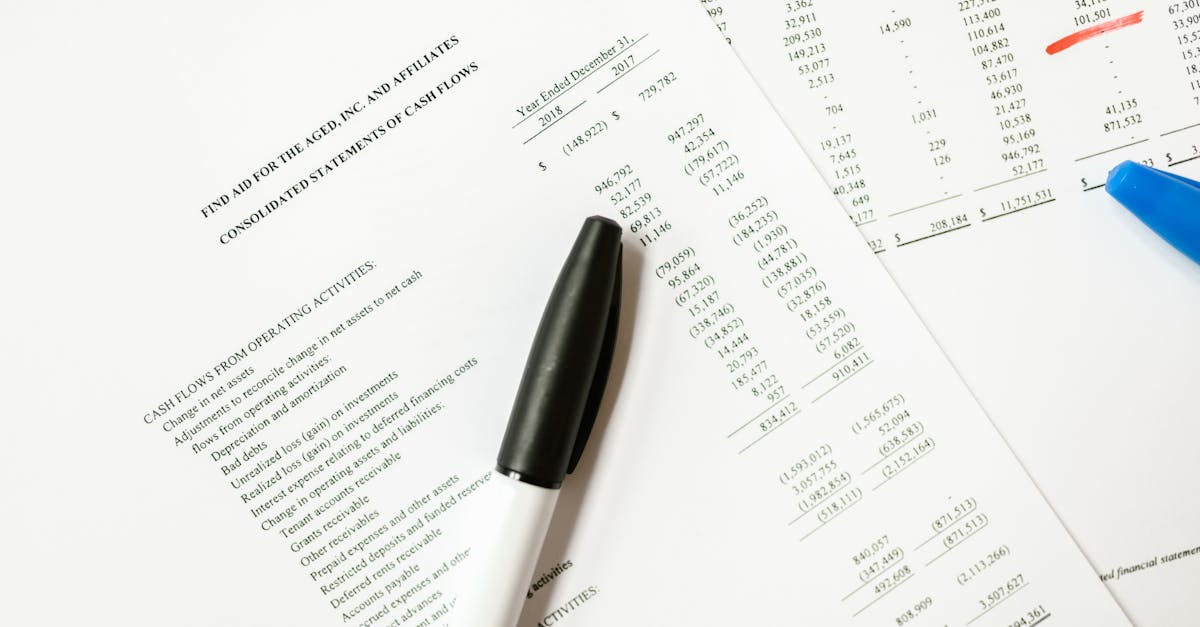
Getting paid as a freelancer starts with invoicing. Not the fun part, but the necessary part. A sloppy invoice won't bring in cash—it brings delays, confusion, and awkward follow-up emails. But a professional invoice that's sent on time, with clear terms and an easy payment button? That's how you turn work into money.
This guide covers what makes an invoice professional, how to set payment terms that don't leave you waiting weeks, when to invoice, how to chase late payments without rage-quitting, and how to make paying you so easy that clients do it immediately.
What Makes a Professional Invoice
An invoice is a piece of paper (or screen) that says: "I did this work. This is what it costs. Here's how you pay me." It sounds simple, but it's doing a lot of work in that sentence.
The essential fields:
- Your business name, address, email, and phone number (this is you)
- Your tax registration number if applicable—VAT number, GST, or equivalent (in the UK, VAT invoices must follow HMRC VAT Notice 700)
- The client's name and address—the actual legal entity you're billing, not just the person's name
- A unique invoice number (INV-001, INV-002, in order)—sequential numbering matters for tracking and compliance
- The invoice date and the payment due date (specific calendar dates, not vague phrases like "Net 30 when possible")
- What you did, in clear language—not "consulting" but "brand strategy workshop, 12 hours, March 1–15"
- Quantity and rate—hours × hourly rate, or a fixed fee for the project, or units × price per unit
- Subtotal, tax, and total—let the software do the maths
- How to pay you—bank details, payment link, or clear instructions
- Your payment terms—Net 30, Net 14, whatever you've agreed to, plus any late fees or discounts for early payment
Presentation matters. A clean invoice template with consistent formatting, your logo, and a prominent total due looks professional and invites payment. A messy one invites queries and delays. Most dedicated accounting software provides professional templates that handle the layout and calculations for you. If you're invoicing multiple clients or need to handle VAT registration, the right software keeps everything in sync and compliant.
Setting Payment Terms That Work
Payment terms are your agreement with the client about when money changes hands. Standard terms for freelancers include:
- Due on receipt—payment expected immediately (rare, but possible)
- Net 14—payment due within 14 days (good for your cash flow)
- Net 30—payment due within 30 days (the standard, what most larger companies expect)
- Net 60—payment due within 60 days (common with enterprises, painful for you)
Shorter terms mean faster cash. Longer terms mean some clients will actually agree to work with you. It's a trade-off. Agree upfront, ideally in writing (contract or proposal), before you start work. Surprising a client with unexpected payment terms on the first invoice creates friction and feels unprofessional.
Late payment fees have teeth. If a client is late, a clearly stated late fee (a flat amount, or 1.5% interest per month, or reference to UK statutory late payment rights under gov.uk guidance) gives you leverage when chasing the money. State it on every invoice. Even if you never enforce it, it encourages timely payment.
For larger projects, milestone payments protect your cash flow. Rather than waiting until the end to invoice: 25–50% deposit upfront, 25–50% at defined milestones, remainder on completion. This means you're not carrying all the financial risk, and the client has invested in your success.
When to Invoice (And Why It Matters)
Invoice the moment work is done. Every day you wait to send the invoice is a day added to your payment waiting time. If your terms are Net 30 and you wait a week to invoice, you're effectively on Net 37. That's not a negotiation—that's you accidentally increasing your own payment cycle.
Establish a regular billing rhythm. If you have ongoing clients, invoice on the same date every month (the 1st, or the 15th, whatever works). This creates routine for both of you and makes your cash flow predictable. Consistency also helps when you're preparing business bank account statements and reconciling payments monthly.
Time tracking is the foundation of hourly invoicing. If you bill by the hour, log your time daily, not at the end of the month when you're reconstructing what happened three weeks ago. Your time records should align exactly with your invoice line items. Most accounting software integrates time tracking with invoicing so the numbers stay in sync and you're not caught out by discrepancies.
Following Up on Late Payments
Late payments happen to every freelancer. Having a process removes emotion and awkwardness. And yes, most invoices that get paid on time are followed up on—it's not rude, it's professional.
Day 1 past due: Friendly reminder. "Hi [client], just checking in—invoice INV-023 was due on [date]. When's a good time for payment to go through?"
Day 7 past due: More direct. "Invoice INV-023 is now a week overdue. Could you arrange payment at your earliest convenience? Let me know if there's an issue."
Day 14 past due: Firm. "Invoice INV-023 is two weeks past due. Please arrange payment within the next five working days. Late payment interest applies per our terms."
Day 30+ past due: Consider escalation. Depending on the amount and relationship, options include a formal demand letter, debt recovery services, or small claims court. In the UK, you have statutory interest rights on overdue commercial debt.
Automated reminders beat manual emails. Your accounting software can send payment reminders automatically at intervals you set. It feels systematic rather than personal, which removes some of the awkwardness.
Keep it professional, always. Chasing payment is normal business. Don't apologize for asking to be paid. Be polite, be specific (always use the invoice number and amount), and be persistent.
Understand why payments are late. Sometimes it's not avoidance—the invoice went to the wrong person, it's stuck in approval, or the client has a fixed payment run schedule. A quick phone call often resolves it faster than email back-and-forth.
Making Payment Friction-Free
The easier you make it to pay, the faster you get paid. ("Payment friction" is enterprise-software for "reasons clients delay paying you.")
Offer multiple payment methods: bank transfer (with full details on every invoice), online payment links (so clients can pay with a card in seconds), and for recurring clients, direct debit (which eliminates invoicing entirely).
Include payment links on every invoice. If your accounting software can generate clickable payment links, use them. A client who can pay with one click is far more likely to pay on time than one who needs to manually set up a bank transfer.
Send invoices electronically. Email them; don't post them. Email is instant, can include payment links, and creates a clear record of when the invoice was sent.
Keep proper records. Maintain dated copies of every invoice issued, every payment received, and outstanding invoices. Reconcile monthly. Retain copies according to your jurisdiction's requirements—in the UK, VAT records typically must be kept for six years under HMRC rules. Digital storage through accounting software is far more practical than paper files and integrates naturally with expense tracking and MTD compliance.
If you're handling multiple income streams or need to track expenses against revenue, one unified accounting platform beats juggling spreadsheets and email inboxes. Relentify's accounting software includes professional invoice templates, automated payment reminders, online payment integration, time tracking, and full financial records in one place—all built specifically for freelancers and small business owners who don't have a finance department.
Frequently Asked Questions
Q: What's the difference between an invoice and a receipt? An invoice is issued before payment (it's a request for money). A receipt is issued after payment (it's proof that money changed hands). As a freelancer, you issue invoices and receive receipts.
Q: Can I invoice in a currency other than GBP? Yes, you can. If you're working with international clients, you can invoice in their currency. Just declare the exchange rate you used, note it on the invoice, and keep records of your conversion. Your accounting software should handle multi-currency invoicing.
Q: Should I offer a discount for early payment? You can, if it helps cash flow. For example, 2% off if payment arrives within 7 days instead of 30. It's your choice. State it clearly on the invoice so the client knows the discount exists.
Q: What if a client refuses to pay? First: confirm the invoice is correct and the work was delivered as agreed. Then escalate: formal demand letter, small claims court (if the amount is under £10,000), or debt recovery service (if it's larger). UK law favours the creditor here—statutory interest accrues automatically on overdue commercial debt.
Q: How do I handle a disputed invoice? Have a conversation immediately. If the client disputes the amount or quality, resolve it quickly rather than letting it fester. Offer to revise the invoice if part of the work was genuinely substandard, or walk through exactly what was delivered and why. Clarity usually ends disputes faster than persistence.
Q: Can I invoice for expenses I incurred on the client's behalf? Absolutely, if it was agreed upfront or if your contract permits it. Separate out expense items on the invoice (software subscriptions, stock photography, freelance contractor fees) and mark them clearly so the client knows they're reimbursable rather than billable labour.
Q: What's the legal deadline for paying an invoice in the UK? There's no fixed legal deadline—payment terms are whatever you agree to. However, if an invoice is overdue, statutory late payment interest accrues at 8% plus Bank of England base rate. So even if your terms are Net 30, you have legal recourse after that date.
Q: Should I chase late payments or write them off? Chase them, at least up to a point. An uncollected invoice is cash you're owed, not profit you're giving away. Once you've sent three reminders and the client isn't responding, a debt recovery service or small claims court might be your next step. Writing it off without trying is leaving money on the table.
The Bottom Line
Invoicing is the bridge between work and payment. Get it right—send professional invoices on time, set clear payment terms upfront, make it easy for clients to pay, and follow up on late invoices—and you'll spend less time chasing money and more time doing the work you're good at. Ready to streamline your invoicing and get paid faster? Try Relentify free for 14 days.