Handling Gardens and Outbuildings in Property Inventories
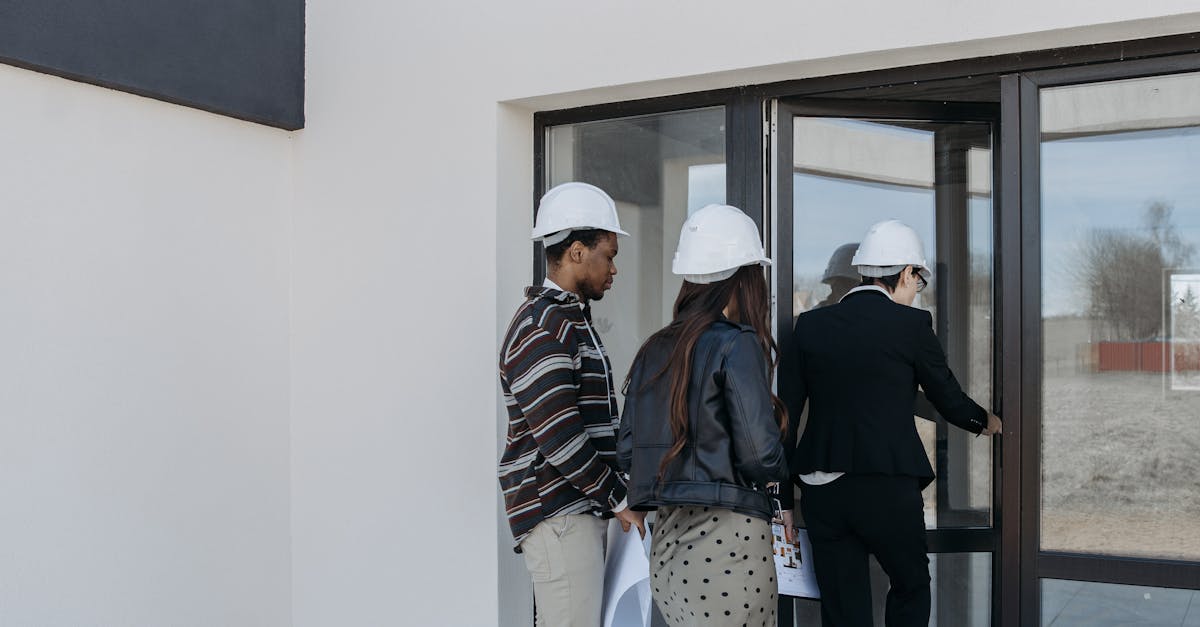
Handling gardens and outbuildings in property inventories is where most landlords slip up. You can document your kitchen and living room with surgical precision, photograph every scratch on the skirting boards, and still lose money at check-out because your garden section reads like an afterthought — which it probably was.
A beautiful garden at check-in becomes an overgrown mess by check-out. A functioning shed develops rot. A garage door that worked perfectly seizes up. And yet many inventories skim over outdoor areas with a few vague lines that provide almost no evidence when disputes inevitably arise.
The truth is: garden maintenance disputes account for a significant proportion of deposit deduction claims. And when you add up professional clearance, lawn re-turfing, fence replacement, and shed repairs, the sums involved can be eye-watering. Thorough documentation of gardens, outbuildings, and all external areas is just as important — arguably more important — as recording the condition of the kitchen.
This guide explains how to do it properly.
Why Gardens Trip You Up
There are practical reasons why outdoor inventories tend to be thinner than interior ones.
Weather makes outdoor documentation uncomfortable. You're crouching in the rain, photographing a boundary fence, and you're thinking about how many more interior rooms you still need to cover. Gardens look genuinely different depending on the season — making condition assessment subjective. Outbuildings may be locked, cluttered, or physically difficult to access.
But the real culprit is habit. Most inventory templates focus primarily on interior rooms. External areas get a paragraph when they deserve a page. This becomes a bigger problem when you're managing multiple properties simultaneously or working with a team of clerks who inherit these templates and follow them without question.
The bigger issue: you won't know you've missed something until check-out, by which time it's too late to gather evidence. A tenant can tell you the fence was already rotting when they moved in — and if your check-in record just says "fence: wooden, condition okay," you have no foundation to dispute them.
Documenting the Garden: A Systematic Approach
The solution is simple: walk the garden systematically, photograph extensively, and describe everything in consistent language. Here's the framework.
Boundaries
Start at the perimeter. Walk the boundary line and document every section — wooden fence, brick wall, hedge, chain-link, stone wall, whatever it is. Record the material, height, and condition. Note any missing panels, leaning sections, broken posts, gaps, or signs of rot.
Photograph each boundary from multiple angles. Close-up shots of damage or deterioration are essential. For hedges, note whether they're neatly trimmed, patchy, or overgrown. You're not being a botanist; you're establishing what "maintained" meant on day one.
Lawns and Planting
For the lawn, record condition: well-maintained, patchy, overgrown, bare, or mixed. Note visible damage — bare patches, mole hills, waterlogging, weeds. Photograph the full lawn from several angles.
Flower beds, borders, and planted areas: describe what's planted (or what was planted, or what looks like it was supposed to be planted) and its current state. "Established rose bushes, well-maintained" or "mixed herbaceous border, overgrown and weedy" are the kinds of descriptions that actually hold up in disputes.
Significant trees and shrubs deserve individual mentions. Note species if you know it, approximate size, and condition. A mature tree that develops problems during a tenancy can become a costly headache.
Hard Landscaping
Patios, paths, driveways, decking, and retaining walls all get documented. Material and condition: concrete, block paving, natural stone, timber. Note cracking, sinking, staining, moss growth, loose elements.
Decking gets particular attention — it deteriorates quickly and can become slippery and unsafe. Record whether it's been recently treated and note any soft spots, splintering, or structural concerns.
Steps, handrails, and level changes matter for both condition and safety, in line with UK housing health and safety standards.
Garden Furniture and Equipment
If the property is let furnished, itemise every piece of garden furniture, barbecues, and equipment. Record make, material, and condition. Photograph each item.
Outdoor furniture deteriorates quickly if not maintained. A wooden table that looks fine at check-in may be split and weathered by check-out. Clear documentation establishes the starting point.
Outbuildings: Sheds, Garages, and Beyond
Outbuildings often contain damage that's expensive to fix and easy to dispute if not documented properly.
Garden Sheds
Document the following for every shed:
- Construction material (wood, metal, plastic) and overall condition
- Roof condition — leaks, missing felt, sagging
- Door and lock functionality
- Window condition (if present)
- Floor condition — rotting, damp, solid or rotted
- Shelving and internal fittings
- Included contents (tools, equipment, or empty)
Photograph externally from all sides and internally. Close-ups of any damage are essential. Test the lock and door — they're common failure points during a tenancy.
Garages
Garages need thorough documentation because issues are often expensive to repair.
Record:
- Door type and operation (manual, automatic, remote-controlled)
- Door condition — dents, rust, alignment, seal integrity
- Floor condition — cracks, staining, oil marks
- Walls and ceiling — damp, cracks, peeling paint
- Lighting and electrical fittings
- Shelving, workbenches, or storage units
- Utility meters or consumer units in the garage
Test the garage door during the inventory. If it's automated, check the mechanism and remote control. A non-functioning automatic door is a common dispute point and a potential safety liability.
Greenhouses and Other Structures
For greenhouses: frame condition, glass or polycarbonate panels, door and vent operation, staging, shelving.
For log cabins, summer houses, studios, carports, bike stores, or bin stores: apply the same systematic approach. External condition, internal condition, doors, windows, fixtures, fittings.
Seasonal Realities
Gardens change dramatically with the seasons. An inventory in summer shows full visibility — plants in growth, lawns green, everything accessible. A winter inventory may reveal drainage problems or structural issues hidden by foliage, but dormant plants can't be properly assessed.
Acknowledge seasonal limitations in your record. "Garden photographed in January — planted areas dormant; full planting assessment will be more accurate in spring or summer" is better than ignoring the limitation and hoping it doesn't matter.
For digital inventory tools, timestamped photographs prove exactly what condition things were in on the day of the inventory. This evidence is invaluable if disputes arise months or years later. Using smartphone photography is perfectly adequate — you don't need professional equipment.
Setting Clear Expectations
A good inventory works hand-in-hand with clear tenancy terms about garden maintenance responsibilities.
Common approaches:
- Tenant maintains to the standard recorded in the inventory — most common and straightforward if the inventory is thorough.
- Landlord arranges gardening service — regular maintenance is included, cost built into rent.
- Specific maintenance schedule — tenancy agreement specifies required actions (weekly mowing, hedge trimming twice yearly, etc.).
Whichever approach you use, the inventory establishes the baseline. Without it, "maintaining the garden" is entirely subjective. Which is why your inventory exists.
Check-Out: Comparing Against Your Baseline
At check-out, your garden inventory becomes your reference. Compare systematically:
- Walk the same route and photograph from the same angles
- Check each boundary section against your original record
- Compare lawn and planting condition
- Inspect hard landscaping for new damage
- Check every outbuilding inside and out
- Test all doors, locks, mechanisms
Normal wear and seasonal variation are expected. A lawn that was lush in July will naturally look different in November. But an overgrown border, broken fence panels, a shed door hanging off its hinges, or a patio stained beyond reasonable wear are legitimate deduction points — provided your check-in inventory proves the original condition was better.
Fair wear and tear guidance from the NRLA helps you judge the line between reasonable wear and damage you can legitimately deduct for. This is also where thorough photographic evidence from check-in becomes your strongest protection.
Frequently Asked Questions
How do I document a garden in winter? Note the season and acknowledge that dormant plants can't be fully assessed. Focus on structural elements — fences, hard landscaping, building condition, tree health. Return in spring if the property will be occupied through then, or understand that dense vegetation in a summer garden wasn't visible in your winter inventory.
What should I do if I can't access a shed or outbuilding? Document that it's locked and inaccessible, with the reason (key not available, contents belong to previous tenant, etc.). Arrange to return and complete the inventory. Never skip areas — record why you skipped them instead.
How much detail do I need for a small garden or tiny shed? Same level of detail, fewer items. A small shed still needs documented. A balcony with two pots still needs describing and photographing. Completeness matters more than size.
What's the difference between wear and tear and damage? Wear and tear is normal — fading, patina, minor marks, a lawn that's less lush because it's November. Damage is beyond normal use — torn fence panels, large cracks, broken mechanisms, structural issues, rot, or stains that indicate neglect. Your check-in record should be clear enough that a third party can see the difference.
Do I need professional photography equipment? No. A smartphone camera and good natural light are sufficient. Timestamp the photos. Take more photos than you think you need. Storage is cheap; re-visiting because you missed something is not.
Who's responsible for garden maintenance in a furnished tenancy? Depends on what your tenancy agreement says. Your inventory establishes the baseline condition, which is the reference point for whatever arrangement you've agreed. If the agreement specifies tenant maintenance and your inventory shows a well-maintained garden, the tenant is responsible for maintaining it to that standard. Furnished property inventories need extra clarity on this point since more items are included.
What if I notice problems that need repair before check-in? Document the current state thoroughly in the inventory. Then repair before the tenant moves in. The check-in inventory should reflect the condition the tenant is actually receiving — not what it was before repairs. If you're planning major repairs, do them before the inventory walk.
Can I use my previous inventory as a template? Yes, but don't copy-paste descriptions from one property to another. Every garden is different. Every outbuilding is different. Generic descriptions like "garden: maintained" will not hold up in disputes. Be specific about what you actually see and photograph. The more detailed your baseline, the stronger your position in deposit disputes.
Best Practices
Spend time. Allocate as much time to the garden as you would to a major interior room. For large gardens or multiple outbuildings, 30–60 minutes is reasonable.
Photograph extensively. More photos than you think necessary. Different angles, close-ups of damage, wide shots for context. These images are your evidence.
Use consistent language. Develop standard terminology: "well-maintained," "moderately maintained," "overgrown," "neglected." Consistency makes comparisons at check-out straightforward.
Note maintenance evidence. If the garden has been recently maintained, say so. A freshly mowed lawn or trimmed hedge establishes the standard at a high level.
Document access issues. If you can't access an area, record why and arrange to return. Never leave blank spaces in an inventory.
Test mechanisms. Doors, locks, gates, garage doors — test them all during check-in. If something doesn't work, document it. If it works, document that too. At check-out, you'll know whether the tenant broke it or it was already broken.
Take timestamped digital records. Date and time stamps prove what the conditions were on the day of the inventory. This matters enormously if disputes arise months later. When disputes do arise, your garden inventory will be the deciding factor.
Gardens and outbuildings deserve the same professional attention as the rest of the property. A thorough outdoor inventory protects landlords, informs tenants of their responsibilities, and provides the clear evidence you need when disputes arise. Don't let the great outdoors become the weak point in an otherwise excellent inventory.