How to Manage Petty Cash Properly in Your Business
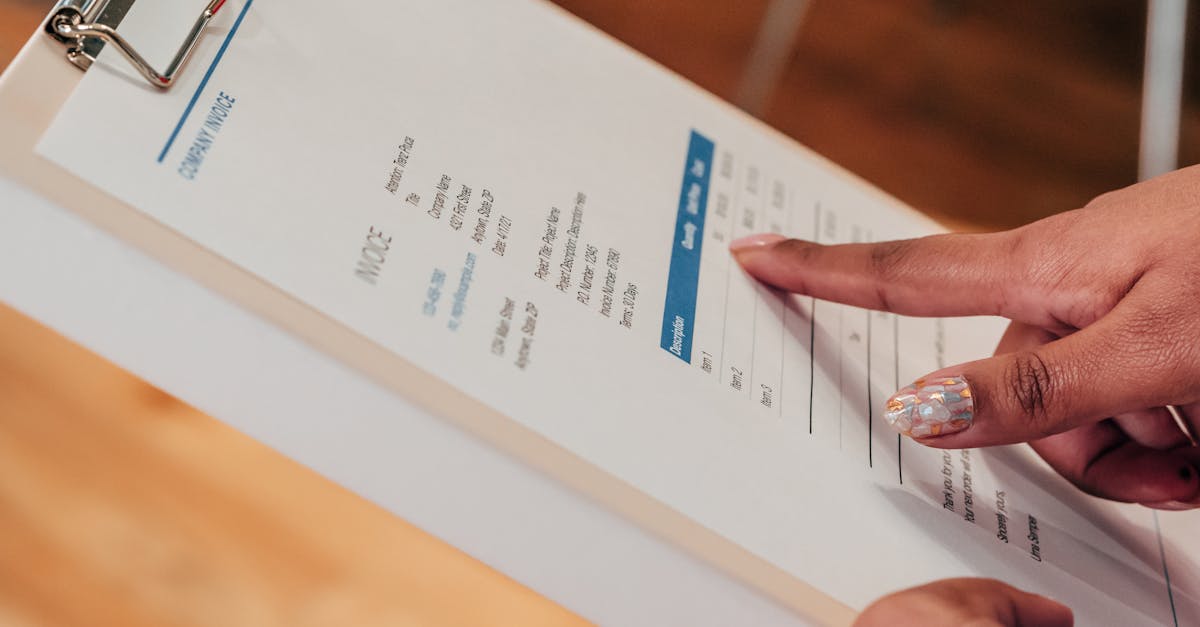
Petty cash is the small fund of physical money your business keeps on hand for minor, everyday expenses. Postage. Office supplies. A taxi to a client meeting. Tea and coffee. The kind of purchases where asking someone to expense it on the company card or raising a purchase order would be absurd—the paperwork would cost more than the item.
It's simple in theory. In practice, petty cash is one of the most commonly mismanaged areas of small-business finance. Without a clear system, money disappears, receipts vanish into coat pockets, and the balance never quite adds up. By the end of the month, you're left staring at a discrepancy and no idea where it went.
Here's how to manage petty cash properly—so your books stay accurate and you're not hunting for lost receipts on a Friday afternoon.
Why petty cash gets messy
Petty cash looks harmless because the amounts are small. A tenner here, a fiver there. What's the worst that could happen?
Plenty.
When there's no clear system, several things happen at once:
Cash goes missing without explanation. Someone takes £8 but forgets to leave a note. Another person "borrows" £20 intending to pay it back (they don't). By week's end, you've lost track of who took what and when.
Receipts disappear. An employee brings back a receipt so smudged it's illegible. Another never brings back a receipt at all—they just tell you what they spent. A third loses the receipt entirely. Without receipts, you can't prove the expense was genuine to HMRC, and your tax deduction disappears with it.
The balance stops matching reality. You started with £100. You think you've spent £34 based on receipts. You count the cash and find only £60. Where did the other £6 go? Was it a miscalculation? A missing receipt? Theft? You have no idea.
Nothing gets recorded in your accounts. Petty cash expenses are business expenses—they belong in your books. If they never make it to your accounting software, you're flying blind on actual spending. This matters when you're managing cash flow or trying to understand where money actually goes.
The solution is a system. Simple, documented, and used consistently.
Setting up your petty cash system
Start with three decisions: how much to keep, who controls it, and where.
How much cash to keep
Your petty cash float is the starting balance—the amount you restore it to each time you replenish. It needs to be large enough to cover a normal period's small expenses, but small enough that losing it wouldn't be a disaster.
For most small businesses with 1–10 employees, £50–£150 is reasonable. A slightly larger team or a busy office might need £200–£300. Anything beyond that and you're holding more cash than necessary (and taking unnecessary risk).
The float amount is your anchor. Every transaction moves money in or out. When you replenish, you bring it back to this fixed amount. This is called the imprest system—a fancy name for "everything always balances if you follow the rules."
Who controls it
Assign one person as the petty cash custodian. This person controls access, approves disbursements, maintains the log, and handles replenishment.
A single custodian creates accountability. If three people have access to the cash without clear responsibility, no one is responsible, and the system collapses immediately. If multiple people need to handle cash (holiday cover, for example), have them hand over a signed note each time so there's a chain of custody.
Where to keep it
A locked box or drawer. It doesn't need to be Fort Knox—a battered old cashbox works fine. The point is to prevent casual access and signal that petty cash is business money, not communal change.
What the rules are
Define the maximum amount for a single petty cash transaction. Typically £25–£50. Anything above this goes through the normal process: company card, bank transfer, or a formal purchase order. Being clear about this prevents grey areas.
List what petty cash is for:
- Postage and stamps
- Office supplies (pens, paper, ink)
- Cleaning supplies
- Taxi fares and parking
- Tea, coffee, refreshments
- Small tools or parts
And what it's absolutely not for:
- Personal expenses (even if you plan to pay it back—don't)
- Regular recurring purchases (set up an account with the supplier)
- Purchases above the limit
- Loans or advances to staff
Writing these down and sharing them with your team takes 15 minutes and saves weeks of disputes later.
The petty cash process
Here's how a transaction works in practice:
- Someone needs to buy something small. An employee needs a ream of A4 paper. Cost: £8.
- They ask the custodian. The custodian checks the limit (£50) and approves it.
- Custodian gives them cash. The employee signs a petty cash voucher—a slip of paper with the date, amount, purpose, and their name. Form doesn't matter as much as the fact that it exists.
- They buy it and get a receipt. This is non-negotiable. No receipt, no approval. HMRC's record-keeping rules require receipts for all business expenses, and petty cash purchases are no exception.
- They return the receipt and change. The custodian updates the petty cash log with the actual amount spent (often you get change, which goes back in the box).
- The receipt gets filed. Attach it to the voucher and file it sequentially. Some businesses number vouchers (PC-001, PC-002, etc.) for easy tracking.
Simple. Repeatable. Leaves a paper trail.
Maintaining the petty cash log
The log is a running record of every transaction:
| Date | Voucher # | Description | Amount Out | Balance |
|---|---|---|---|---|
| 1 Jun | — | Float established | — | 100.00 |
| 3 Jun | PC-001 | Postage stamps | 12.60 | 87.40 |
| 5 Jun | PC-002 | Printer paper | 8.99 | 78.41 |
| 8 Jun | PC-003 | Taxi to client meeting | 15.00 | 63.41 |
At any point: physical cash in the box + total of all vouchers = float amount. If it doesn't, something's gone wrong and you know it immediately.
When you replenish (say, on 10 June), you top the cash back up to £100. The vouchers get batched and categorised into your accounting records (postage expense, office supplies expense, etc.), and the log resets.
Reconciling and replenishing
Do this at least monthly. More often if you have high petty cash activity.
To reconcile:
- Count the physical cash in the box.
- Total all the vouchers and receipts for the period.
- Add them together—they should equal the float.
- If they don't, investigate: missing receipts, miscounted change, unrecorded disbursements.
- Record the expenses in your accounting system by category.
Small discrepancies (a few pence) happen and can be recorded as "petty cash over/short." Larger or recurring discrepancies need investigation and tighter controls.
To replenish:
- Total all vouchers for the period.
- Write a cheque or withdraw cash for that amount.
- Add it to the petty cash box.
- The balance is now back to the float.
- Record the replenishment in your accounting software.
Using accounting software simplifies this—you log petty cash expenses by category and the software handles the entries. One less spreadsheet to maintain. And if you're tracking business expenses across multiple categories, centralising this in one platform means better visibility into where your money actually goes.
Petty cash in the modern era
Digital payment apps, company debit cards, and contactless payments have made the argument for eliminating petty cash stronger than ever. Every transaction is recorded by the card issuer. Receipts can be captured as photos. There's an audit trail. No cash disappears.
Some businesses have ditched petty cash entirely. Others have kept a small float for genuinely cash-only situations (certain market stalls, parking meters, occasional vending machines). There's no single right answer—it depends on how often you actually need cash.
If you're considering cutting petty cash: route routine small expenses through a company card instead. Keep a small emergency float if needed. You'll get better data, fewer discrepancies, and less risk. This ties into broader financial planning—deciding which payment methods to use and which ones to retire.
If you're keeping it: use the system described above. It works whether your float is £50 or £500.
Common mistakes to avoid
No receipts. This is the biggest mistake. Without a receipt, you can't prove the expense, and HMRC won't accept it. Make receipts non-negotiable.
Reconciling only once a year. If you only reconcile petty cash at year end, you have zero chance of finding the cause of a discrepancy from six months ago. Monthly reconciliation takes an hour and catches problems while they're fresh.
Too many people with access. Every person you add to the access list is another point of failure. Assign one custodian and one backup (for holidays). That's it.
Personal expenses "to be paid back later." This blurs the line between business and personal money. It doesn't get recorded correctly, it's harder to reconcile, and it's a tax nightmare. Don't.
A float that's too large. A large float is an unnecessary temptation and risk. Keep only as much cash as you realistically need for two to three weeks of small expenses.
Frequently Asked Questions
Q: What if someone loses a receipt for a petty cash purchase? A: The purchase can't be approved without it. Make this a rule from day one. If it becomes a pattern with one person, they might not be ready for petty cash access. For future purchases, require pre-approval so the custodian can watch the transaction.
Q: Can we use petty cash for staff meals or team events? A: If it's a genuine business expense (a working lunch, client refreshments), yes. If it's a personal meal, no. The line is whether it's incurred for a business purpose. When in doubt, check with your accountant.
Q: What's the difference between petty cash and an expense claim? A: Petty cash is cash you hand out immediately; expense claims are reimbursements. With petty cash, the custodian gives you £15 to buy stamps. With an expense claim, you buy stamps with your own money, bring the receipt, and get reimbursed. Both need receipts. Petty cash is faster for small, frequent items.
Q: If we have a discrepancy, do we write it off or investigate? A: Investigate if it's more than a few pence. Check for missing receipts, miscounted change, or unrecorded disbursements. If you find nothing, record it as "petty cash over/short." If discrepancies happen repeatedly, tighten controls: require pre-approval for all disbursements, count the cash weekly, or reduce the float.
Q: Do we need petty cash if everyone has a company card? A: Probably not, unless you regularly face cash-only situations. If you eliminate it, make sure the card issuer provides proper receipts and your team uploads them regularly.
Q: How long do we keep petty cash records? A: Keep receipts and vouchers for at least six years (HMRC's standard retention period for business records). Store them in a box or file alongside your other accounting records. For more on keeping business records, see HMRC's guidance.
Q: Can petty cash expenses be tax-deductible? A: Yes. Petty cash expenses are tax-deductible just like any other business expense, provided they're genuine business expenses and supported by receipts. The key is documentation—HMRC wants to see who, what, when, where, and why.
Wrapping up
Petty cash management is not complicated. It's methodical. Set up the system, assign responsibility, insist on receipts, reconcile monthly, and it takes care of itself.
If you're looking to reduce the number of systems you're juggling—accounting, expense tracking, bank reconciliation—Relentify handles all of it in one platform. One login, no Zapier, no integrations that break twice a quarter. Try it free for 14 days.